Original PowerPoint slides
The complete ten-slide set, with the original wording and images.
Slide wording and original images are presented below for reading on screen. Download the PowerPoint for the original slide layouts.
Slide 1
Breaking the shell

‘The chick does not break the egg out of hatred for the shell; it does so out of a desire to live under a wider heaven’.
DH Lawrence, early draft of The Rainbow
Breaking the shell
Creative Commons license 2010-2025 RedQuadrant; attribution required benjamin.taylor@redquadrant.com 079 3131 7230
Developed from an activity at www.squarewheels.com
Slide 3
Getting out all the barriers to change
Imagine we are now meeting again; we’ve failed.
We’re doing the post-mortem.
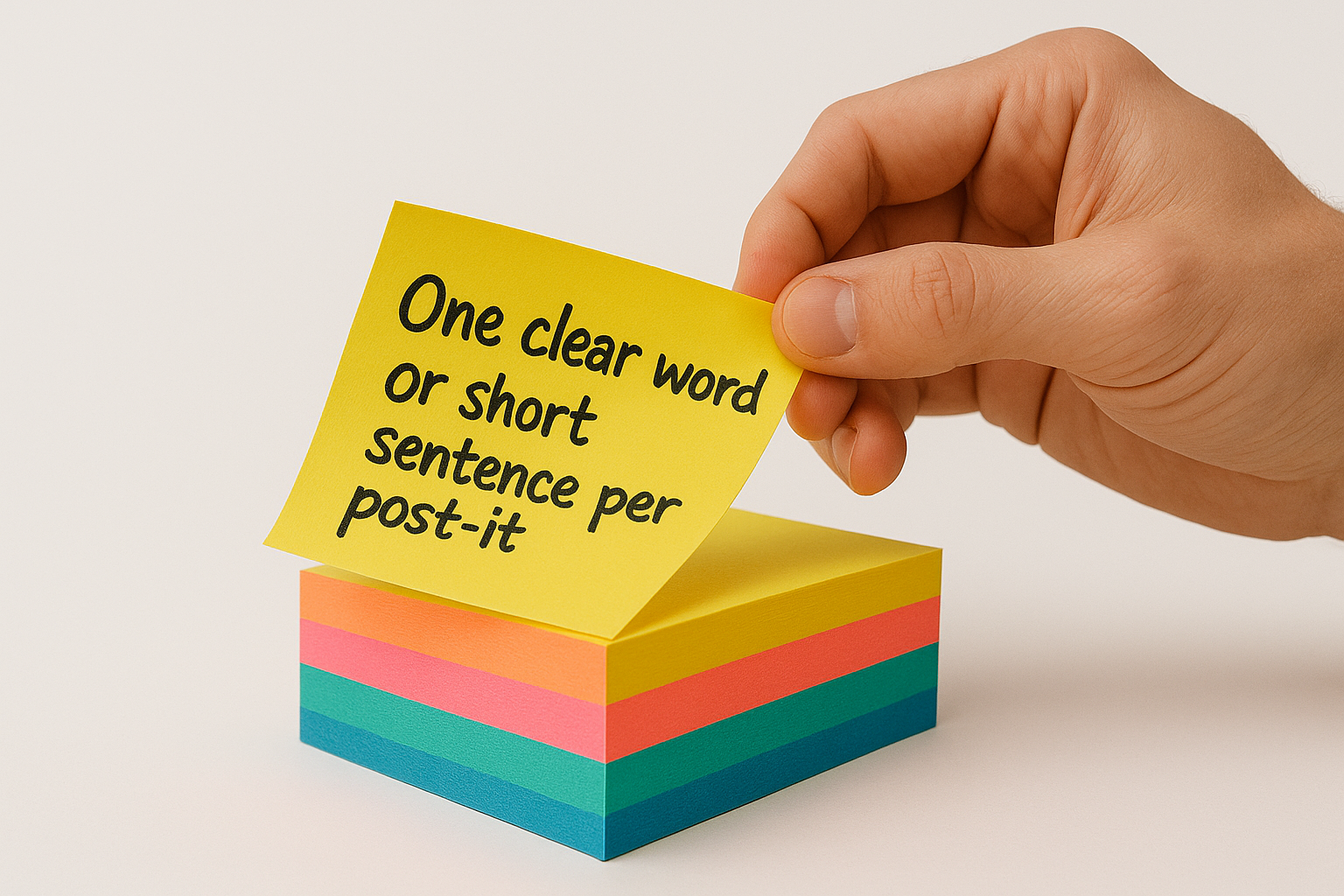
You each have a post-it pad.
Please write down the reason why we failed.
In fact, write as many challenges/barriers to achieving the vision as you can think of.
You have two minutes.
The more ideas, the better.
Use a sharpie.
Rectangular post its.
Peel diagonally.
Slide 6
Brick walls
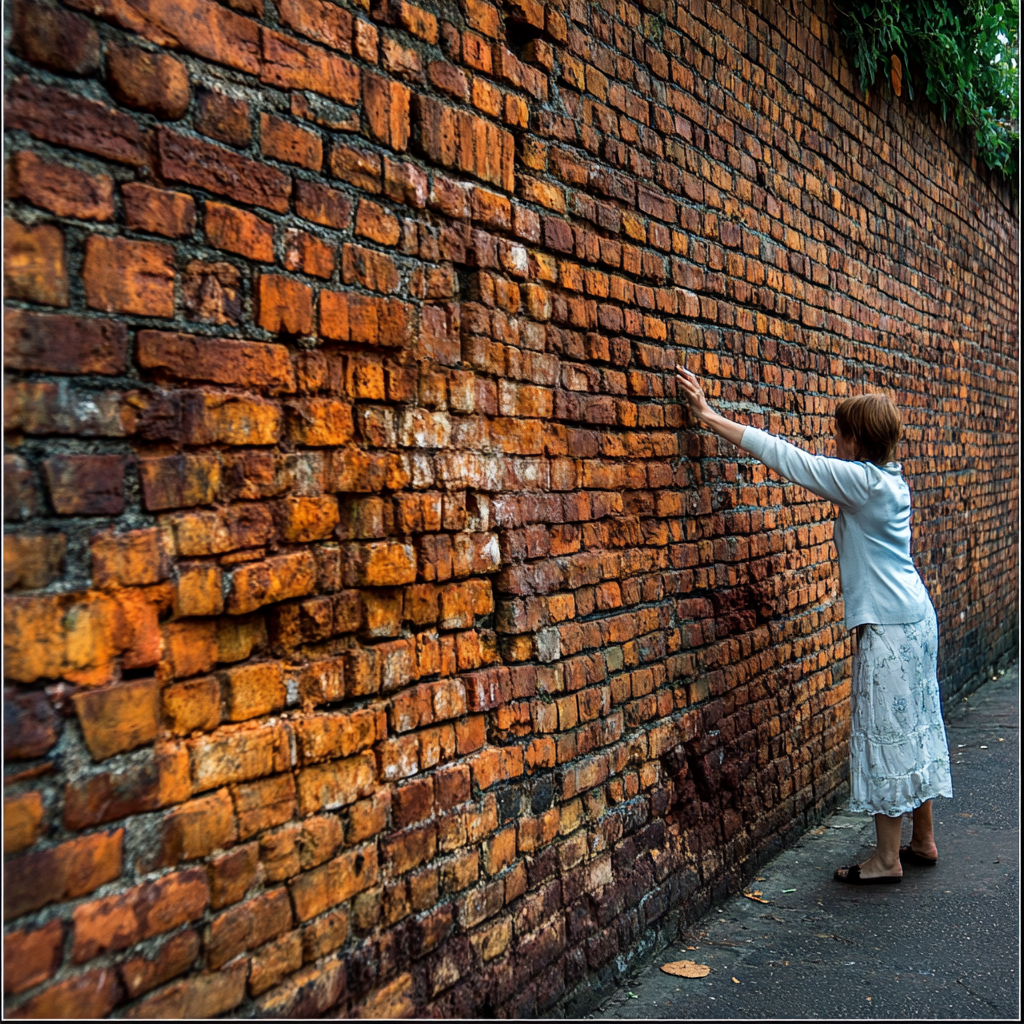
A really unalterable challenge. Things in the real world facing us that inhibit performance and are not likely to change.
This could be government or legal requirements, regulatory requirements, demographic changes, money market or international issues, high-level political developments.
These factors affect performance in delivering our service, but are well beyond individual or collective control.
Brick walls are immovable and real.
They are part of the bigger system.
Perhaps we should be campaigning to change them, but that’s all we can do!
‘Can’t be changed’
Slide 7
‘Partition’ walls
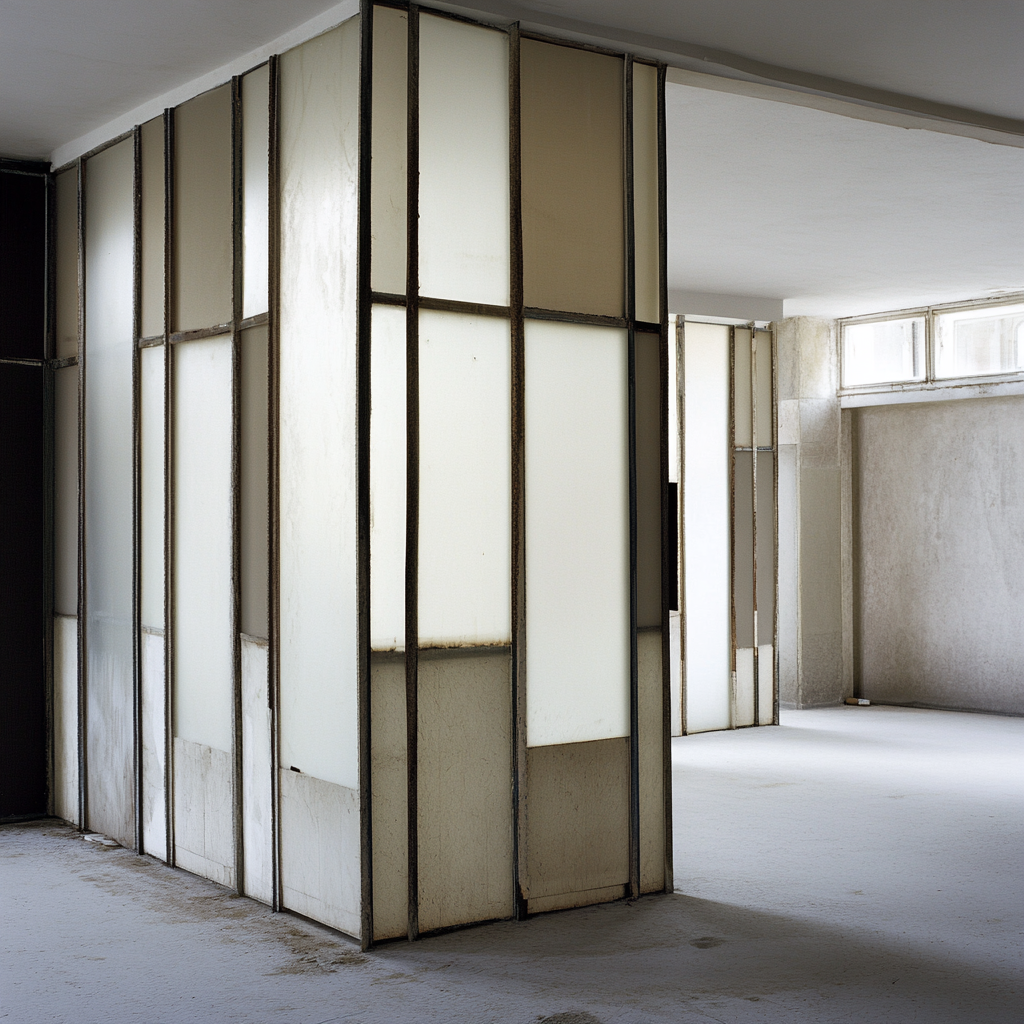
These challenges can be managed through with effort, time, money and/or additional personnel, or other resources.
An individual might make some progress in dealing with this sort of challenge. Management might overcome the challenge totally; corporate management certainly should be able to.
Partitions might move slightly if pushed from the bottom, but if pushed from a higher level will often topple. We need help with these. This is something in the system that needs changing.
Examples include legacy, political, and structural issues.
‘We can change’
Slide 8
Paper walls

This looks like a real barrier; until you test it. Then, you realise you can simply push through it.
Paper walls might exist because you think someone else will not approve, that it won't be supported by another part of the organisation, that it is 'policy' or the way things have always been done, etc.
But when you test this belief, you discover it isn’t true; others have done things differently and are doing things differently.
These challenges are manageable, but also real. This is something you can change about yourself, for yourself.
‘I can change’
Slide 9
‘Mindset’ challenges

This type of challenge is based on untested beliefs and perceptions; like collective papers walls.
When you believe you can't, you are correct. These are the ones that block the below average from improvement.
Like paper walls, but this is something we need to change together.
Examples of this sort might include not feeling that you can pool resources across departmental or organisational boundaries, or seeing citizen and political complaints as a problem rather than positively.
‘Innovate to change’